Size matters more than most people expect with a new furnace. An oversized unit short-cycles, overshoots the thermostat, and wears out early, while a correctly sized furnace runs longer and more quietly and uses less fuel. So Concord HVAC starts every replacement in Concord with a load calculation, not the number on the old nameplate. From there, the choices come into focus: 80 percent AFUE or a condensing furnace in the mid-90s, single-stage, two-stage, or modulating burners, and a basic PSC blower or a variable-speed ECM motor that saves electricity and smooths out temperature swings. The best fit depends on your home, your ducts, and how long your heating season lasts, and you will be living with it for the next twenty years.
The work that determines a furnace's lifespan happen out of sight. On a condensing furnace, the acidic condensate needs a proper trap, a correct slope, and a real drain, and the PVC venting must match the manufacturer's specifications for size, pitch, and termination, or the result ranges from nuisance lockouts to flue gas problems. The gas connection gets a sediment trap and a leak test. Airflow gets measured too: we read static pressure across the system so the ductwork is not strangling the new equipment, and we correct restrictions during the install if the numbers show a problem. Where a permit is required, we take care of the process.
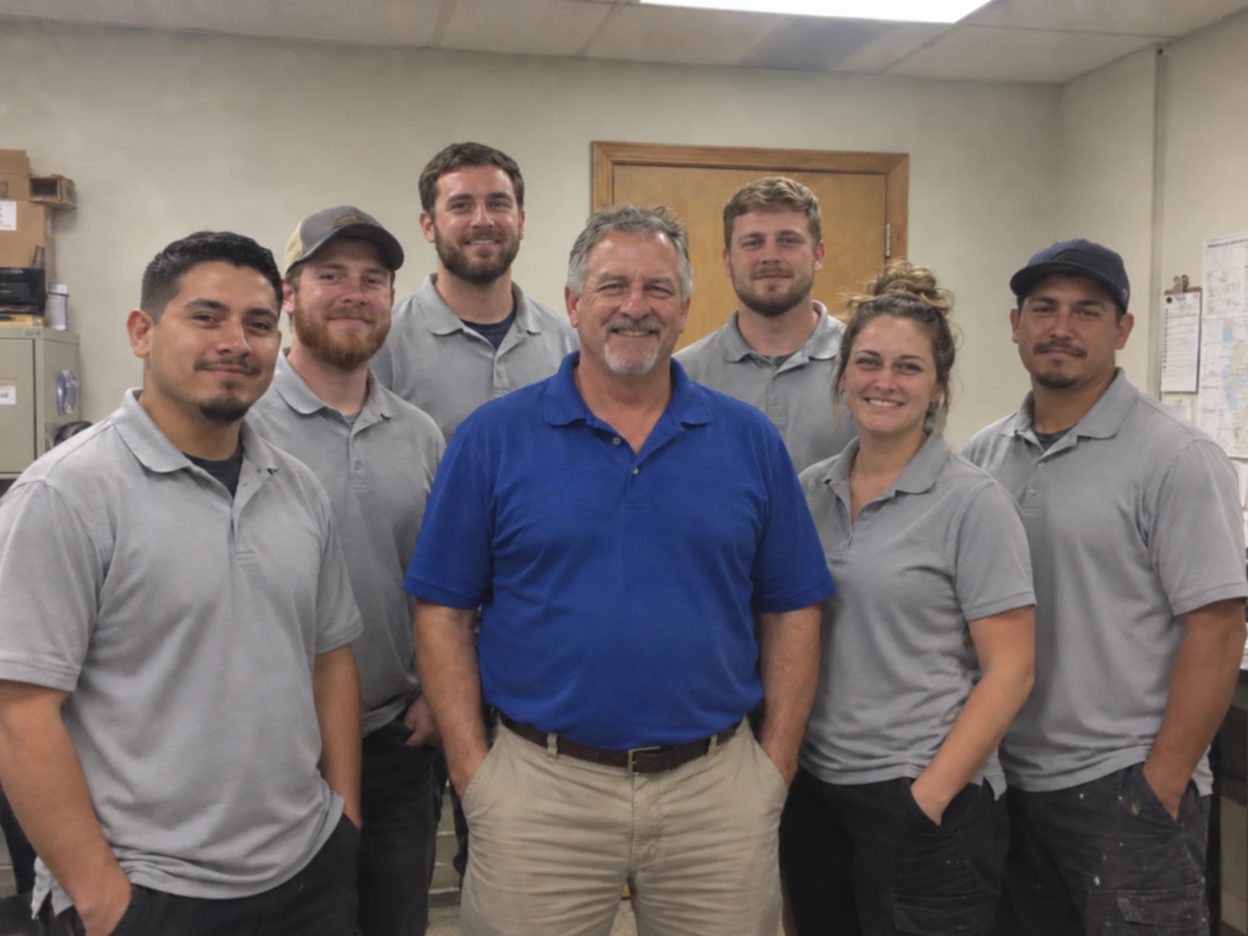
The last hour of the job may matter most. Our technicians run a combustion analysis, set gas pressure to spec, check temperature rise against the data plate and tune the blower to it, confirm the vent is drafting, and watch the furnace through complete cycles. That process is called commissioning, and it is standard on every Concord HVAC install. We then show you how the thermostat works, where the filter goes, and what normal looks like for the first season. Call (980) 203-2826 for an assessment and a clear quote on furnace installation in Concord that will still be running well in 2045.
The repair homeowners call us about most is Furnace Repair in Concord. Start there if your system isn't running right.
Signs You Need Furnace Installation in Concord
Spotting the early warning signs gives you the chance to act before the situation spirals into something far more expensive. Here are the most common indicators that it's time to call a professional:
- Your heat exchanger is cracked, taking repair off the table
- Rising energy bills and a home that still feels chilly
- Repair bills arriving more often and getting bigger each season
- A new air conditioner or heat pump is going in and the old furnace cannot keep up
- Fan noise loud enough to interrupt conversation or sleep
- Your existing furnace has passed fifteen to twenty years of service
- Uneven heat, frequent cycling, or rooms that stay cold no matter what
- Rust, soot, or loud ignition that returns even after repairs
Early Action Saves Money
A failing capacitor, clogged condensate drain, or dirty flame sensor rarely fixes itself and usually gets more expensive to address the longer it runs. At the first hint of a problem, reach out to Concord HVAC at (980) 203-2826 for a fast inspection.
Need Help With Furnace Installation?
Our experienced technicians are standing by to help.
Get Help: (980) 203-2826Furnace Installation FAQ
Why Hire a Professional for Furnace Installation?
What separates a good furnace installation from a bad one is mostly invisible once the job is done. The venting on a condensing unit has to match the manufacturer's tables for size, length, slope, and termination, or it will trip pressure faults and can put flue gases where they should never be. Gas lines need correct sizing, a sediment trap, and an instrument leak test. Condensate drains need real slope, because the acidic water keeps coming all winter and a flat line ends up as a midwinter lockout or hidden water damage. Because none of this is visible in a finished photo, it is where shortcuts happen.
Sizing and commissioning are the other half of the story. A furnace picked by rule of thumb is usually oversized, and an oversized furnace lives a hard life of short cycles while delivering worse comfort. Our experienced technicians size from a load calculation, then commission with instruments: combustion analyzed, gas pressure set, temperature rise measured and the blower adjusted to hold it in the rated band, static pressure checked so the duct system and furnace are not fighting each other. That final hour of measurement is what turns a box of parts into twenty years of quiet heat, and it is standard on every Concord HVAC installation.
How Our Furnace Installation Works
We follow a proven process to ensure every repair and installation is completed to the highest standards. Here's how we handle furnace installation from start to finish:
Load Calculation & Assessment
Your new furnace is sized from the home's real heat loss, not the old unit's nameplate. We also look over the ductwork, gas supply, and venting route before recommending anything.
Choices & a Firm Price
We lay out 80 percent and high-efficiency condensing options, explain staging and ECM blower trade-offs honestly, and give you a firm installed price with no upsell pressure.
Careful Installation
Our technicians install the furnace, pipe the gas with a proper sediment trap, route venting and condensate lines exactly to spec, and seal the plenum connections, pulling permits wherever they are required.
Commissioning & Orientation
We finish by verifying combustion, setting gas pressure, adjusting the blower to hold the rated temperature rise, and running complete cycles. You get a walkthrough of the thermostat, filter, and upkeep schedule before we leave.
Questions About Furnace Installation?
Our experienced technicians can assess your situation and recommend the best solution.
Call (980) 203-2826 NowMaintenance Tips for Furnace Installation
A few simple habits now, like regular filter changes and seasonal tune-ups, can add years to your system's life. Follow these tips from our experienced technicians:
- Check the outside vent pipes for snow, debris, or insect nests
- Avoid deep temperature setbacks, since a right-sized furnace works best with long, steady cycles
- Start a regular filter schedule right away, since good airflow protects the new furnace
- Keep paints, solvents, and chlorine cleaners out of the furnace area
- Save your installation records and model information so future repairs go faster
- Schedule annual fall service so combustion stays clean and settings stay in range
- Make sure the condensate trap and line stay clear, particularly heading into winter
Comparing DIY and Professional Furnace Installation
While some minor tasks like changing filters or checking a thermostat can be handled by homeowners, most HVAC work involves refrigerant, gas combustion, and high-voltage electricity, jobs that call for professional expertise. Consider the following comparison:
| Factor | DIY Attempt | Professional Service |
|---|---|---|
| Furnace Sizing | BTUs copied from the old unit | Capacity based on your home's actual load |
| Vent Piping | Vent pipe routed by guesswork | Manufacturer-spec venting, verified draft |
| Gas Piping | No leak test, no sediment trap | Sized, trapped, and leak-tested |
| Condensate | Drain line with no real slope | Trapped, sloped, and routed to a drain |
| Airflow | New furnace choked by old ducts | Airflow verified with static readings |
| Startup Testing | It made heat, done | Combustion analyzed, rise measured |
Get Furnace Installation Help Today
Don't let a failing system get worse. Call Concord HVAC now for prompt, professional service.
Call (980) 203-2826 NowFurnace Installation Across the Concord Area
We serve Concord and its neighboring communities for furnace installation, from quick same-day repairs to planned installs.